Independently Reviewed 2026

Best Best Protein Powder Supplement
2026 — Tested & Ranked

We researched the top best protein powder supplement options for 2026. Here are the ones worth your money.

Field-Tested Favorites
🏆 Editor's Pick
Gold Pick
Optimum Nutrition Gold Standard 100% Whey Protein Powder, Double Rich Chocolate 1.98 Pound (Packaging May Vary)
Silver Pick
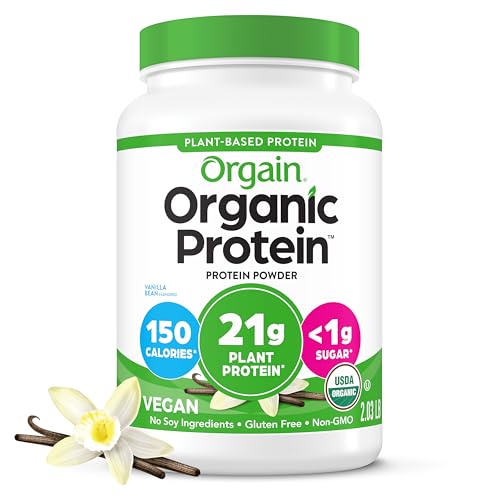
Orgain Organic Vegan Protein Powder, Vanilla Bean - 21g Plant Protein, 6g Prebiotic Fiber, No Lactose Ingredients, No Added Sugar, Non-GMO, for Shakes & Smoothies, 2.03 lb (Packaging May Vary)
Bronze Pick
BulkSupplements.com Whey Protein Isolate Powder - Unflavored Whey Protein Powder, Nutritional Supplement - Gluten Free, 30g per Serving, 1kg (2.2 lbs) (Pack of 1)
Value Pick
Muscle Milk Pro Series Protein Powder Supplement, Knockout Chocolate, 5 Pound, 28 Servings, 50g Protein, 3g Sugar, 20 Vitamins & Minerals, NSF Certified for Sport, Workout Recovery
Expert Pick
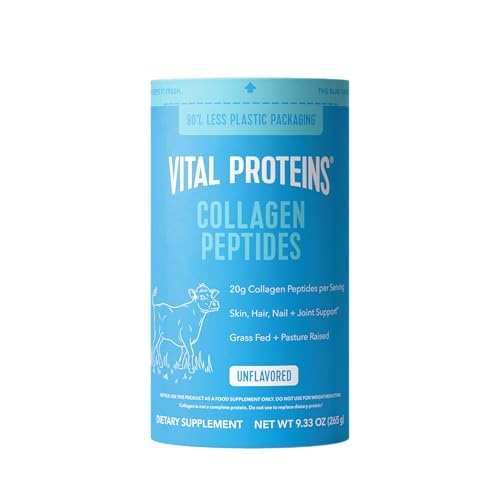
Vital Proteins Collagen Peptides Powder - Supports Hair, Nail, Skin, Bone & Joint Health, Unflavored, Collagen Protein 9.33 OZ
#6
Isopure Zero Carb 100% Pure Whey Isolate Protein Powder, Gluten Free, with Vitamins, Unflavored, 25g Protein Per Serving, 1 Lb, 16 Servings (Packaging May Vary)
#7
Dymatize ISO100 Whey Protein Powder Isolate, Gourmet Vanilla, 25g of Protein, 5.5g BCAAs, Less Than 120 Cal., Gluten Free, 1g Fat, 1g Sugar, 2g Carb (20 Servings)
#8
Premier Protein Powder, Chocolate Milkshake, 30g Protein, No Added Sugar, 100% Whey Protein, Keto Friendly, Soy & Gluten Free, 24.5 oz (17 Servings)
#9
Lerine Protein Powder Travel Container Set, Reusable Protein Powder Container To Go, 21Pcs Single Dose Bags & 3Pcs Large Zip Bags, Portable Supplement Storage Containers with Funnel, Spoon
#10
Sports Research Collagen Peptides - Hydrolyzed Type 1 & 3 Collagen Powder Protein Supplement for Healthy Skin, Nails, & Joints - Easy Mixing Vital Nutrients & Proteins, Collagen for Women & Men

Prices shown are subject to change. As an Amazon Associate, we earn from qualifying purchases.

The Complete Best Best Protein Powder Supplement2026 — Tested & Ranked Buying Guide

The supplement and wellness industry is one of the most aggressively marketed categories in consumer products. Distinguishing genuinely effective products from marketing-optimized packaging requires looking past the claims to the underlying evidence. Here's a practical framework.

What Actually Matters When Choosing

Third-Party Testing

FDA doesn't pre-approve dietary supplements, which means quality control is entirely voluntary. Third-party testing from NSF International, USP, Informed Sport, or Labdoor independently verifies that products contain what they claim at the stated doses and are free from contamination. A supplement without third-party testing certification is making claims you can't independently verify.

Ingredient Transparency

Proprietary blends list ingredients without doses, making it impossible to evaluate whether active ingredients are present at effective levels. Transparent labels that list every ingredient and its dose allow you to verify that the product contains clinically studied doses of its active ingredients — not just trace amounts sufficient for the label.

Clinical Evidence for Key Ingredients

Not all supplements have the same evidence base. Some active ingredients have robust clinical evidence at specific doses. Others are based on single studies, animal research, or theoretical mechanisms. Understanding the evidence base behind a supplement's claims helps distinguish products with genuine efficacy from those leveraging scientific-sounding marketing.

Manufacturing Standards

GMP (Good Manufacturing Practices) certification indicates the facility follows FDA-regulated standards for cleanliness, consistency, and quality control. cGMP (current GMP) means the facility undergoes regular audits and maintains updated compliance. Products from cGMP-certified facilities have verified quality control — not just a marketing claim.

Form and Bioavailability

The form of a supplement significantly affects absorption. Magnesium glycinate absorbs better than magnesium oxide. Methylfolate is more bioavailable than folic acid for certain genetic profiles. A product with superior ingredient forms at lower doses can outperform one with higher doses of inferior forms.

What to avoid

Avoid products making structure/function claims that sound like disease claims, supplements with no certifications or verifiable manufacturing standards, and products where the first three ingredients are fillers or anti-caking agents.

How We Rank and Select Products

We evaluate supplements based on ingredient transparency, third-party testing certifications, clinical evidence for key ingredients, and long-term user feedback focused on real-world outcomes rather than subjective first impressions.

Every product on this page was evaluated on the same criteria. We don't accept payment for rankings. We don't push products because of commission rates. If a product underperforms in owner feedback, it gets downranked or removed — regardless of how well it sells. The goal is a list you'd actually trust a friend to use.

Prices and availability change. We link to current Amazon listings so you see real-time pricing. The ranking order reflects quality assessment, not price — but we note when the price-to-performance ratio of a particular option is exceptional for buyers on a budget.

Common Questions Before You Buy

How often are these rankings updated?

We review rankings when significant new products enter the market, when established products show quality shifts in owner feedback, and at least quarterly to catch anything we've missed. The date on this page reflects the last significant update.

Are these products available on Amazon Prime?

Most are — we prioritize products with Prime eligibility for faster delivery and easier returns. Check the Prime badge on the product listing page for current eligibility, as Prime availability can change.

What if the top pick doesn't work for me?

That's what the rest of the list is for. We rank multiple options because the best pick for most buyers isn't the best pick for every buyer. Read the "best for" notes on each product and the compatibility information in the linked listing before purchasing.

Do you earn money from these recommendations?

Yes — as an Amazon Associate, we earn a small commission on qualifying purchases through our links. This doesn't affect our rankings. Products earn their placement through performance, not commission rates. We'd rather you trust us and come back than push a high-margin product that disappoints.

We publish rankings for consumers who want an unbiased starting point rather than a list shaped by advertising relationships. Our process: identify all relevant products in the category, filter to those with meaningful verified review counts, evaluate specifications against real-world performance claims, and rank by overall value delivered to a typical buyer. Products with strong short-term reviews but a pattern of long-term failure complaints get flagged or removed. We don't know every buyer's specific situation — that's why we rank multiple options across the price spectrum and note what each one is best suited for. Use the list as a starting point, verify compatibility with your use case, and read the 1-star reviews for any product you're seriously considering. That last step catches more issues than any spec comparison.

Affiliate disclosure: links on this page may earn us a commission at no cost to you. This funds the research and keeps the site running. Our rankings are not influenced by commission rates.

Choosing the Best Protein Powder: A No-Fluff Guide

The protein powder market is one of the most aggressively marketed supplement categories. Nearly every product claims to be the best, most bioavailable, cleanest, or most effective option available. Most of those claims are not backed by independent verification. Here is how to cut through the noise and find a product that actually delivers what it promises.

Protein sources vary significantly in amino acid profile, digestibility, and absorption rate. Whey protein concentrate is cost-effective with a complete amino acid profile but contains more lactose and fat than isolate. Whey isolate undergoes additional filtration to reduce lactose and fat content, making it a better option for lactose-sensitive users. Casein digests slowly and is often used before sleep. Plant-based blends (pea, rice, hemp) provide complete amino acid profiles without dairy but typically at lower digestibility rates than whey.

Third-party testing is the most important quality signal in this category. NSF Certified for Sport, Informed Sport, and Labdoor certification mean an independent lab verified that the product contains what it claims at the stated dose, without contamination. Products without third-party testing are making claims you cannot verify. In a category with a documented history of label fraud (products containing less protein than claimed, or contaminated with heavy metals), certification matters.

Amino acid spiking is a known practice in the supplement industry: manufacturers add cheap amino acids like glycine or taurine to inflate the nitrogen content measured by standard testing, making the product appear to contain more protein than it actually does. Independent testing catches this. Products from certified brands do not do this.

Ingredient lists in protein powders follow the same logic as other foods: ingredients are listed in descending order by weight. Whey protein concentrate or isolate should be the first ingredient. If you see a long list of fillers, thickeners, or sweeteners before the protein source, the product is formulated for palatability over nutrition density.

Flavor and mixability matter for consistency of use. A product you will not drink because it tastes bad or clumps in a shaker is not delivering its benefits. Read verified reviews for flavor feedback across multiple flavors before committing. Most brands offer unflavored options if you want to add your own flavoring or mix into food.

Price per serving is more useful than price per container. Calculate the cost by dividing container price by serving count and compare across products at the same protein source and certification level. Premium pricing is sometimes justified by certification, cleaner ingredient lists, and verified protein content. Budget options without third-party testing may not deliver the protein content listed on the label.

Our rankings prioritize third-party certified products with transparent ingredient labels, accurate protein content verified by independent testing, and consistent positive owner feedback on taste and mixability across multiple purchase platforms. Products are updated when better options emerge or when existing products show quality changes in owner feedback or re-testing results.